


All Articles

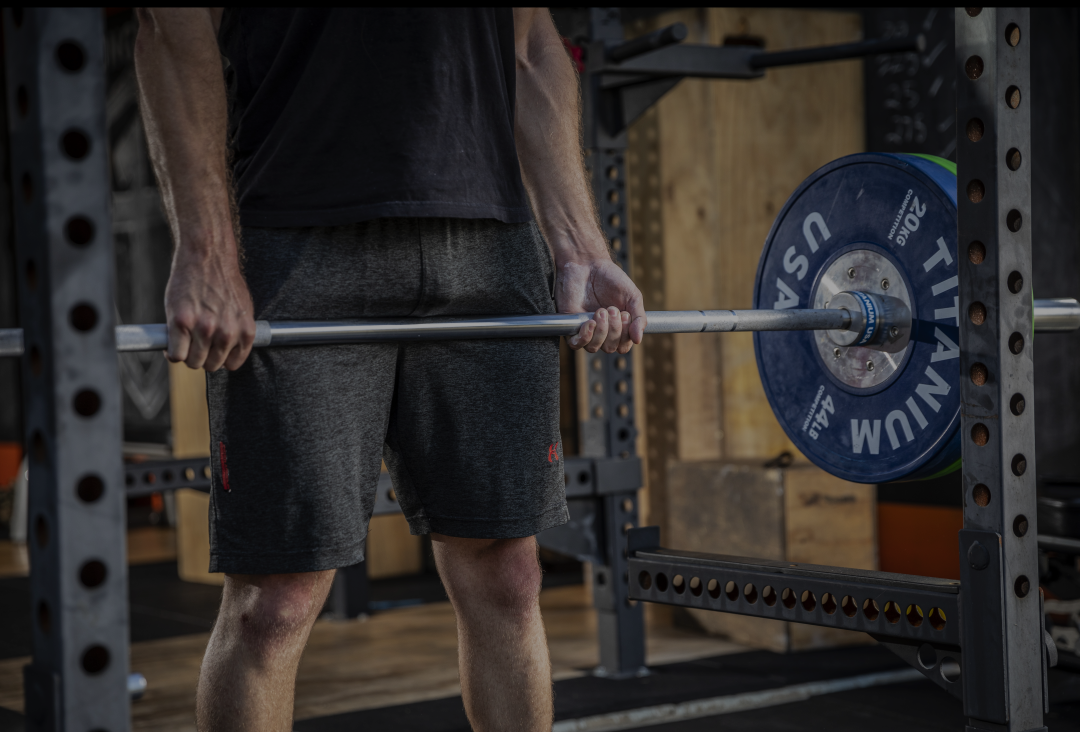
In almost every resistance-based gym program, the deadlift (or a variation) is present. It’s not hard to understand why, as it hits a bunch of points that every gym-goer aims to achieve. It is an excellent compound movement that works both your anterior and posterior lower body, and posterior upper body. For most people, it’s going to be their heaviest lift, so, for anyone looking to move weight around - whether for training or ego, it’s excellent.

I define ‘old school thinking’ as accepting, from the get-go, that the way something is being done right now is the only way to do that thing. It is accepting that doctrine derived from the Vietnam war is the most effective way to train for modern warfare, rather than analysing current combat environments and challenging the doctrine. It is accepting that mental toughness is solely developed through “hard training”, rather than providing a challenging adult learning environment that develops problem solving abilities in difficult situations. And it is accepting that shoulder, lower back, hip, and knee injuries are just an inevitable part of the combat soldier role, rather than challenging the way people structure their physical training.

As of October 1st, DVA has introduced an altered approach to giving veterans mental health support. Dr Kevin Kraushaar, a trauma specialist with years of experience working with veterans and DVA’s procedures, has written an article giving his take on the new support model. It’s his second article that we at Anvil T&D are posting, and it offers an explanation of the new treatment system and explores whether or not DVA has implemented an improvement or another obstacle.

The demands on our day-to-day lives range from the trivial to the fundamental, based on the needs and expectations set by both ourselves and those around us. The average person is constantly beset with ‘what needs to be done’, and as responsibilities grow - so, too, does that list.

Recently, I wrote an article about Goal-Specific Training, and how important it is to consider the end goal, for both the overarching type of training program you are doing, and the individual exercises you do each day that you train. As an example, I included a small, infantry-specific program that demonstrated how you can take a defined set of goals and create a program that is applicable, effective, efficient, and enjoyable. I decided that after writing that program, I wanted to write a separate article going into more detail about why I chose those exercises for an infantry soldier, as well as some considerations that should be reflected in how combat soldiers could employ strength and conditioning to make them as effective as possible in their role.

This Program is a very basic 6 Week Conjugate Rotation, modified from a program I wrote for myself a little while ago and really enjoyed. It is designed to build a bigger Squat, Bench, and Deadlift. It is really back-to-basics style programming, and I’ve written it for people who are looking for a new program, or would like to try a conjugate style program for the first time.

Size. Strength. Bigger Squat. Better 10km run time. Better conditioning. Bigger Bench. I always had a goal. And yet, if you had followed that up with another (probably even more important) question, “show me how your program will help you achieve that?”, or, “how will your workout today take you one step closer?”, I would have probably been a little stumped. Sure, I could tell you I wanted a bigger bench, and point to my Arnold 6 week program full of supersets and push-pull splits, and say, “well, if I do enough flat bench twice a week, surely my bench will go up?” Yeah, it might. But, is that all there is to it? And, why do I want a bigger bench? And, what if that isn’t actually working?

The population’s experience with mental health concerns is subjective, and varies from person to person, so when someone who hasn’t directly experienced or witnessed something as complex as PTSD - from where do they draw their understanding? What about someone who is experiencing it, but their personal experience doesn’t align with their current perception? What is the first step in understanding an acronym that represents a complex and diverse levels of experience?

How long does it take to form a habit? How about an addiction? How many times must I perform an activity to cement it in muscle memory? And, how long does it take something to become monotonous, especially if I’m just doing the same thing over and over again?
And why does any of that matter?